
Key Takeaways
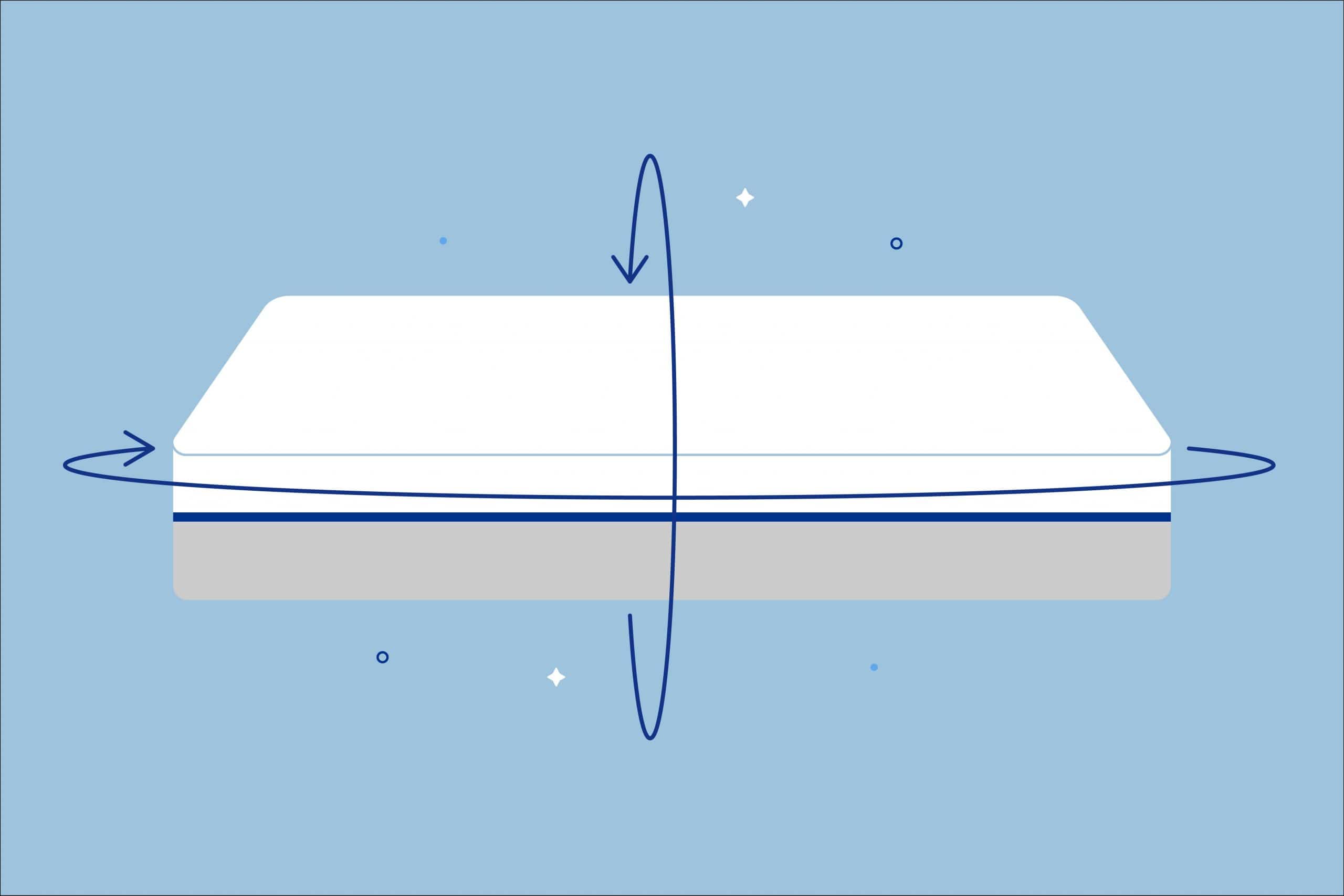
- Why Does the Correct Side Matter: Most modern mattresses have a specific top side designed for optimal support and alignment. Flipping a non-flippable mattress can lead to uneven pressure distribution, increased wear and tear, and compromised aesthetics.
- Tips for Identifying the Correct Top Side: To determine which side of the mattress should face up, you can check for labels or tags, look for a pillow top or quilted surface, consider visible seams, and even feel the mattress sides to find the one that conforms better to your hand.
- The Head and Foot Orientation Doesn’t Matter: When positioning your mattress on your bed frame, the head-to-foot orientation doesn’t significantly impact your sleep quality, so you can place it as desired. Even a mattress with zoned support can be placed with either end at the head and foot.
Have you ever found yourself standing beside your new mattress, uncertain about which side is supposed to face up? Don’t worry; you’re not alone! Many of us have faced this dilemma at some point.
We are here to provide you with simple yet effective ways to identify the correct orientation of your mattress, ensuring you won’t spend the first few nights sleeping on a stiff surface that was designed more for support than comfort. So, let’s dive right in and put an end to the confusion!
Save $450 On Any Mattress

Plus free shipping
Can You Sleep on Both Sides of an Amerisleep Mattress?
Quick Guide: A 30-Second Summary
| Best Mattress Overall | Amerisleep AS3 |
| Best Soft Mattress | Amerisleep AS5 Hybrid |
| Best Natural Mattress | Amerisleep Organica |
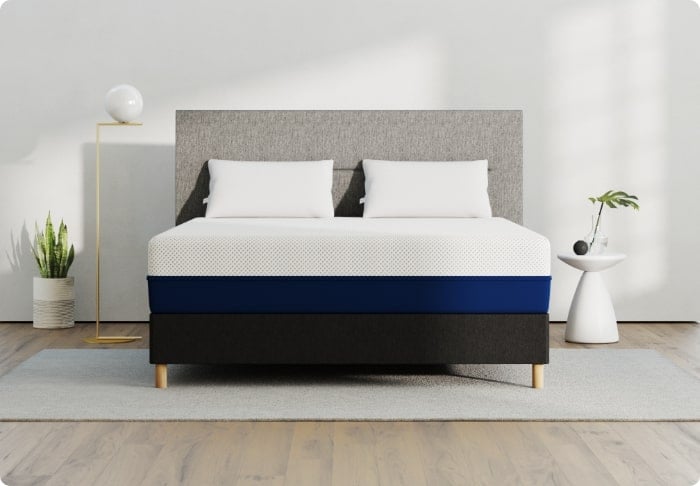
Amerisleep mattresses have a clear top-to-bottom design, meaning they are not designed to be reversible. Our team advises against sleeping on both sides of an Amerisleep mattress. Instead, they are crafted with a specific top side that offers optimal comfort and support. So, make sure to identify the designated side and enjoy the benefits it provides.
Identifying the Correct Top Side for Mattress Comfort
When it comes to determining which side of the mattress is up, the process may seem daunting at first, but fear not! We have some handy tips to make the task a breeze.
Check for Labels and Tags
Most mattresses come with labels or tags indicating the manufacturer’s information, care instructions, or even the recommended side to sleep on. These mattress labels are often sewn into the side or bottom fabric. Take a close look around the edges of your mattress for any labels that might indicate the top side.
If you find one, congratulations! You’ve discovered the correct orientation.
Look for a Pillow Top or Quilted Surface
Many mattresses feature a pillow top or quilted surface on the side intended for sleeping. This side is typically more padded and luxurious, offering enhanced comfort and support. Carefully inspect both sides of your mattress for any visible differences in texture or design. If one side appears plusher or more quilted than the other, chances are that’s the side you should sleep on.
Consider the Visible Seams
Examining the visible seams of your mattress can also provide helpful clues. Manufacturers often stitch the quilted or pillow-top layer to the top side of the mattress. Therefore, if you notice that the seams are more prominent on one side, it’s likely that side is intended to face up.
Feel the Mattress Sides
If all else fails, you can always run your touch over both sides of the mattress. Gently press your hand into the foam of the mattress. The side that yields and conforms more noticeably to the shape of your hand is likely the top side.
Ask for Directions
If the appearance and texture of the mattress are nearly identical on both sides, making it challenging to differentiate the top from the bottom, consider visiting the manufacturer’s website or seeking guidance from a knowledgeable store representative from where the mattress was acquired.
Can Putting My Mattress the Wrong Way Up Ruin It?
While putting your mattress the wrong way up may not necessarily ruin it, it can affect its performance and comfort. Most mattresses are designed with a specific orientation, with one side intended to be the top side for optimal support and comfort. Flipping the mattress upside down or reversing its orientation can lead to several issues.
Firstly, the comfort layers and support systems of the mattress may not be evenly distributed when it’s turned the wrong way up. This can result in uneven pressure distribution, leading to discomfort and reduced support for your body. Additionally, the mattress may not provide the same level of spinal alignment and pressure relief when used in the incorrect orientation.
Furthermore, flipping the mattress may expose the underside, which is not designed for direct contact with your body. This can lead to increased wear and tear, as well as potential damage to the mattress fabric or stitching.
Plus, certain mattress models may have a different appearance or construction on the underside. Using the underside as the top side may affect the overall aesthetics and functionality of the mattress.
How Can I Tell If My Mattress Is Flippable?
Determining whether your mattress is flippable or not depends on the specific design and construction of the mattress. Here are a few ways you can tell if your mattress is flippable.
Check the Manufacturer’s Information
The best way to know if your mattress is flippable is to refer to the manufacturer’s instructions or product description. They usually mention whether the mattress is designed to be flipped or not. If the mattress is flippable, the manufacturer will often provide guidelines on how and when to flip it.
Look for a Symmetrical Design
Flippable mattresses are typically designed with a symmetrical construction, meaning that both sides of the mattress have similar materials and comfort layers. If you notice that your mattress has an identical structure on both sides, there’s a good chance it is flippable.
Label or Tag Indicating Flippability
In some cases, manufacturers may attach a label or tag to the mattress explicitly stating that it is flippable. This label may be located on the side or bottom of the mattress and provide instructions or guidelines for flipping.
Consult the Retailer or Customer Support
If you’re still unsure whether your mattress is flippable, reach out to the retailer or the mattress manufacturer’s customer support. They can provide you with accurate information about the specific features and characteristics of your mattress.
Remember, not all mattresses are designed to be flipped. Many modern mattresses have a specific top and bottom side, with different comfort layers and support systems. Flipping a non-flippable mattress may result in discomfort or reduced performance. Always follow the manufacturer’s guidelines to ensure proper use and longevity of your mattress.
Do I Need a Two-Sided Mattress?
If you’re wondering whether you need a two-sided flippable mattress, the answer is likely no. Most modern mattresses are designed with a clear top side, focusing on making it ultra comfortable. By dedicating all attention to one side, manufacturers can optimize its features, ensuring you enjoy a blissful sleep experience. Investing in a one-sided mattress allows for better craftsmanship and targeted comfort.
What About the Head and Foot of the Mattress?
When it comes to the head and foot of the mattress, design-wise, it doesn’t really matter. Unlike determining the top side, you can place the mattress with either end at the head or foot of your bed without any significant impact on your sleep quality. So, feel free to position your mattress as desired without worrying about its orientation from head to foot.
Should I Still Rotate My Mattress?
While it’s not necessary to flip a one-sided mattress, rotating it from head to foot periodically is still a good idea. Doing so every three to six months can help promote even wear and prolong the lifespan of your mattress. By rotating the mattress, you ensure that different areas of the mattress receive equal pressure, preventing sagging and maintaining optimal comfort.
Making Sure the Mattress is Supported
After all the work of figuring out which way of the mattress is up, you don’t want to give your mattress setup anything less than its proper support. The right base not only provides stability but also helps maintain the integrity and performance of your mattress. It’s also a crucial element of ensuring you don’t encounter the common issue of a new mattress causing back pain.
Here are some key considerations for choosing the right mattress base.
Box Spring/Foundation
Many mattresses are designed to be used with a specific type of box spring or foundation. These bases are typically constructed with a sturdy frame and evenly spaced slats or a solid surface to provide support. Check the manufacturer’s instructions or recommendations to determine if your mattress requires a box spring or foundation and what type is suitable.
Platform Bed
Platform beds offer a solid and even surface for your mattress without the need for a box spring. These beds typically have a slatted or solid platform that supports the mattress directly. Ensure that the gaps between the slats are within the manufacturer’s guidelines, as large gaps may affect the mattress’s support.
Adjustable Bed Frame
If you have an adjustable bed frame that allows you to change the position of your mattress, make sure it is compatible with your mattress type. Some mattresses are specifically designed for use with adjustable bases, while others may not be suitable. Verify the manufacturer’s recommendations before using an adjustable bed frame.
Slatted Bed Frame
If you prefer a slatted bed frame, ensure that the slats are sturdy, evenly spaced, and capable of providing adequate support. The ideal spacing between bed slats depends on the mattress type, but generally, slats spaced 2.75 inches apart offer good support for most mattresses.
The Floor
Keeping a mattress on the floor may seem like a convenient or minimalist option, but there are several reasons why it is not generally considered a good idea for the long-term.
Firstly, airflow and ventilation are crucial for maintaining a healthy sleep environment. Placing a mattress on the floor restricts the air circulation underneath, leading to the accumulation of moisture and potential mold or mildew growth.
Furthermore, keeping a mattress on the floor makes it more susceptible to dirt, dust, and pests. Floors are prone to collecting debris and harboring allergens, which can easily transfer to the mattress. Pests like bed bugs or dust mites find it easier to infest a mattress that is in direct contact with the floor.
Elevating the mattress creates a physical barrier, making it more difficult for pests to access the sleeping surface. It also allows air to circulate freely, preventing moisture buildup and maintaining a hygienic sleeping surface.
Frequently Asked Questions
Will my mattress face up out of the box?
Yes, typically your new mattress will face up when it is delivered to you. Mattresses are usually packaged and shipped with the top side facing up, ready to be placed on your bed frame or foundation.
However, it’s always a good idea to double-check the orientation before unwrapping or setting up your mattress, just to be sure. Look for any labels, tags, or noticeable features that indicate the top side. If you’re unsure, consult the manufacturer’s instructions or contact their customer support for guidance.
How can I tell if my mattress is flippable?
To determine if your mattress is flippable, check the manufacturer’s instructions or product description. Look for a symmetrical design, handles on the sides, or a label indicating flippability. If you’re unsure, contact the retailer or manufacturer for clarification. Remember that not all mattresses are meant to be flipped, so follow the manufacturer’s guidelines to ensure proper use.
What happens if you flip a one-sided mattress?
Flipping a one-sided mattress may lead to discomfort and uneven support. One-sided mattresses are designed with specific layers and materials intended to be used in a certain orientation, so flipping them can disrupt their intended functionality.
The most likely outcome of leaving a one-sided mattress face down for an extended period is flattening the comfort layer. The flattened cushion can lead to inadequate pressure relief if you eventually correct the mattress’s positioning.
Why are mattresses one-sided now?
One-sided mattresses have become more common due to advancements in mattress design and manufacturing techniques. They often feature specialized comfort layers and support systems that are optimized for a specific sleeping surface. This allows manufacturers to provide targeted comfort and support while reducing costs.
The Bottom Line
Identifying the correct side of your mattress doesn’t have to be a challenging task. By following the tips provided in our article, you can easily determine which side should face up for the best sleeping experience. Remember to check for labels, examine the surface and seams, feel the mattress sides, and seek guidance if needed.
Placing your mattress the wrong way up may not ruin it, but it can affect its performance and comfort. Most mattresses have a specific top side designed for optimal support and alignment. Flipping a non-flippable mattress can result in uneven pressure distribution, increased wear and tear, and compromised aesthetics.
By following these guidelines, you can confidently identify the correct orientation of your mattress and provide your mattress setup with the necessary support for a comfortable and durable sleep experience.
About the author
Geoff McKinnen is a writer focusing mainly on the healthcare industry and has written articles on everything from foods to help you lose weight to the connection between Alzheimer’s and sleep. Geoff’s passionate about helping readers improve their well-being to lead happier lives. Outside of work, Geoff enjoys cycling and hiking and believes that by leading a healthy lifestyle, he can help others do the same.
View all posts