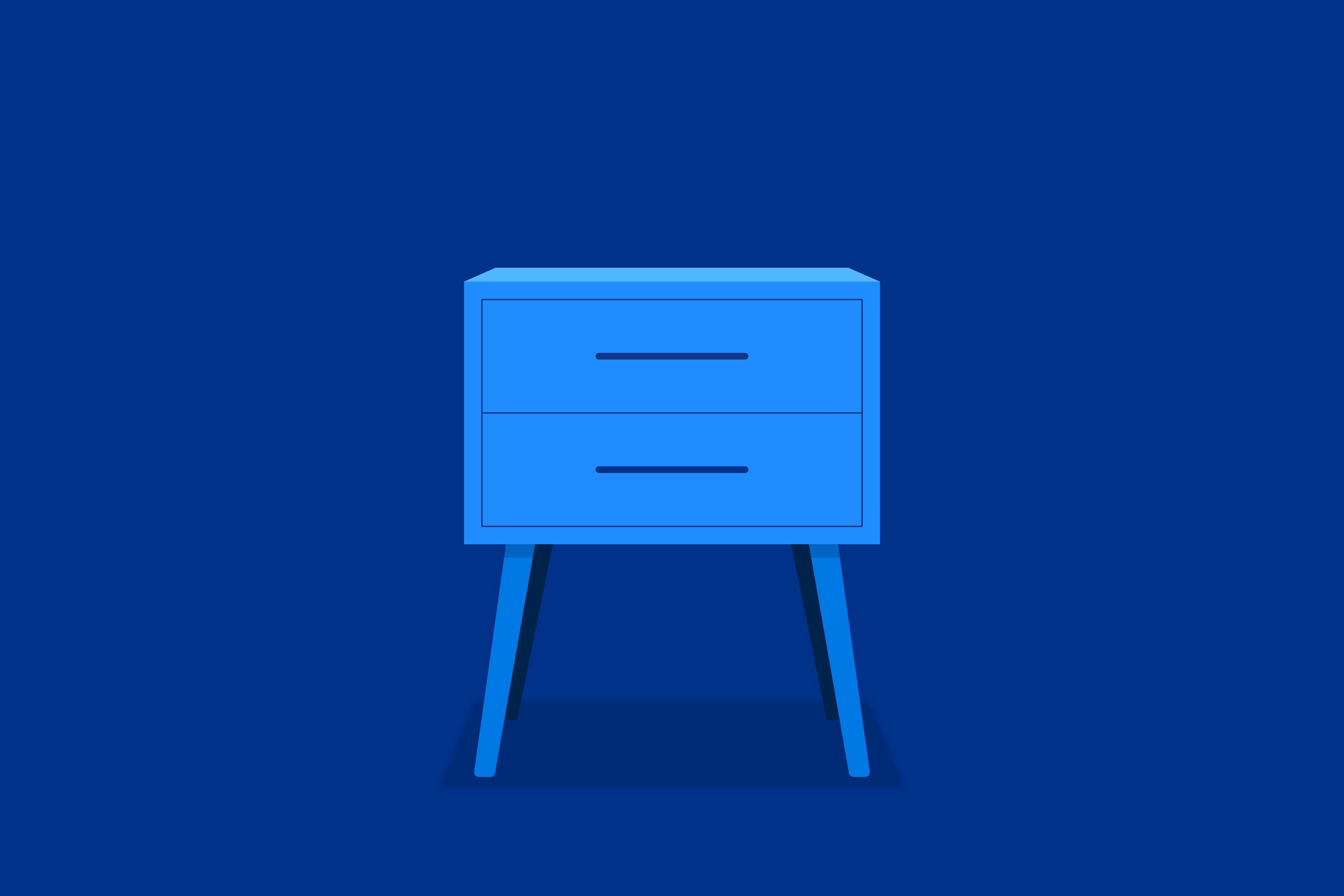
Key Takeaways
- Functional Nightstand Essentials: Curating essential items like lip balm, phone, glasses, and water ensures convenience and contributes to a restful sleep routine.
- Risk-Free Sleeping: Avoiding clutter and selecting items mindfully minimizes risks like disruptive noises, dry lips, or discomfort, promoting uninterrupted sleep and overall well-being.
- Decluttering for Serenity: Regularly decluttering your nightstand maintains a calm and organized space, enhancing relaxation and preparing you for a rejuvenating sleep experience.
Do you ever find yourself reaching for your phone or flashlight in the middle of the night, but bumping into nightstand clutter. Or are you fumbling for your glasses in the morning? If so, it’s time to rethink your nightstand essentials.
Having the right items within reach not only ensures convenience but can also contribute to a restful night’s sleep. But how do you determine what to keep and what to declutter?
Save $450 On Any Mattress

Plus free shipping
In this article, we will explore the must-have items for your nightstand and provide tips on decluttering to create a serene space for a restful night’s sleep.
Creating a Functional Nightstand: Must-Have Essentials
When it comes to curating your nightstand essentials, it’s crucial to choose items that not only have a purpose but also enhance your bedtime routine.
Not all of our suggested items should be on your list of essentials, however. This is meant to help you think about how to curate your nightstand for your needs.
By having what are your must-have essentials within arm’s reach, you can create a functional and convenient nightstand setup.
Lip Balm
Don’t forget to keep a nourishing lip balm on your nightstand for overnight moisturization. The dry air can take a toll on your lips, particularly if you sleep with a fan on. Applying lip balm or chapstick before bed ensures you wake up with soft and hydrated lips.
File
A small nail file is another essential item to have nearby. Use it to keep your nails tidy and prevent any snags or breaks while you sleep. With a file readily available, you can easily address any nail imperfections before they become bothersome.
Phone
Place your phone on your nightstand for easy access. This way, you can conveniently check messages or use your phone’s alarm clock function without fumbling in the dark. Just make sure you have the self-restraint to stop using your phone before bed.
Glasses
Keeping your glasses nearby ensures you can easily put them on when you wake up.
Contacts Case
If you wear contact lenses, keeping a case for them on your nightstand is crucial to avoid sleeping with your contacts in. Storing your lenses properly in a case with fresh solution helps maintain eye health and prevents discomfort or infections.
Oral Appliances
For those who use retainers or anti-snoring devices like mouth tape for snoring, having these oral appliances easily accessible on your nightstand ensures you won’t forget to use them before sleep. Keeping them in a clean, designated spot (such as a retainer case) also helps maintain proper hygiene.
Alarm Clock
An alarm clock is a must-have for ensuring you wake up on time. Look for one with features like a dimmer, snooze button, and battery backup in case of power outages.
Light Source
A lamp or wall sconce provides soft, ambient bedroom lighting for reading or relaxing before bed. Choose a light with adjustable brightness to suit your needs and promote good bedroom lighting.
Medication
If you take any medications at night or first thing in the morning, storing them on your nightstand ensures you won’t forget them. That may include prescription pills, inhalers, supplements, or melatonin.
You may even want to simplify and keep a pill box for the week in your nightstand instead of just a bunch of bottles. Just be sure to keep your medication out of reach of children and pets.
Water Bottle or Glass
Staying hydrated throughout the night is essential for your well-being. Keep a water bottle or glass on your nightstand to encourage hydration while you sleep. Sip on water whenever you wake up or feel thirsty, ensuring you start your day refreshed and replenished and stay hydrated for good sleep.
Just because you don’t drink water before bed so much that you’re running to the bathroom throughout the night!
Coaster
A coaster is another practical and thoughtful addition to your nightstand essentials, especially if you enjoy keeping a drink nearby while you sleep or unwind in bed. It can save a mug of tea for sleep from leaving an unsightly ring on your furniture.
When selecting a coaster for your nightstand, consider the size of your typical drinking glasses or bottles to ensure a proper fit. You may also want to choose a coaster with a non-slip base to keep it securely in place on your nightstand surface.
Good Book
Engaging in some pre-sleep reading can help you unwind and relax. Keep a good book on your nightstand to enjoy a few pages before bedtime. If you have a nightstand with a small shelf, it might even be a good place to keep a few favorites and solve the problem of storing books in the bedroom.
Others may prefer a bookcase bed frame, however. Either way, by immersing yourself in a captivating story, you can prepare your mind for a peaceful transition into slumber.
Journal and Pen
Keeping a journal and pen nearby can be useful for jotting down any thoughts, ideas, or dreams that come to mind before falling asleep or upon waking up. Some may find journaling before bed excises worries that might distract them from sleep.
Earplugs
For those who are light sleepers or live in noisy environments, a pair of earplugs can help block out disruptive sounds and promote a more restful sleep.
Hand Lotion
Keeping a small bottle of hand lotion on your nightstand can be convenient for moisturizing your hands and cuticles as part of a nighttime skin routine, especially if you have dry skin.
Eye Cream
Applying eye cream before sleep can help hydrate and nourish the delicate skin around your eyes. Keep a small jar or tube on your nightstand for easy access. Just be careful if you’re applying it near the bed!
Face Roller
A face roller can help reduce puffiness and promote lymphatic drainage. Keep one on your nightstand for a quick facial massage before bed or in the morning.
Bedroom Plant
A small plant for the bedroom can help purify the air and brighten your mood upon waking. Choose a low-maintenance plant that doesn’t require much light or water.
Socks
On chilly nights, having a pair of socks nearby can provide extra warmth and comfort. Keep a clean pair of socks for sleeping folded on or in your nightstand for easy access.
Back Scratcher
If you suffer from itchy skin at night, a back scratcher can provide relief. Look for an extendable model that can be made more compact for storage on your nightstand.
Small Humidifier
Dry air can cause discomfort and irritate your skin and sinuses, so good humidity for sleep is important. A small humidifier on your nightstand can help keep the air moist and promote better breathing while you sleep.
Small Air Purifier
An air purifier can help remove allergens, dust, and other irritants from the air, promoting better sleep quality. Look for a compact model that fits easily on your nightstand.
Flashlight
In case of power outages or emergencies, or even just a quick run to the bathroom, having a small flashlight within reach can provide peace of mind and help you navigate in the dark.
Tissue Box
Having tissues readily available can be convenient for anyone who regularly deals with allergies or is recovering from a cold.
Many people also include facial cleansing or moisturizing as part of their bedtime routine. Having tissues nearby can be useful for removing cosmetics to prevent makeup stains on bedding, applying toners or serums, or gently patting your face dry.
Small Dish or Tray
A small dish or tray can serve as a catch-all for loose items like jewelry, hair ties, or pocket change, helping to keep your nightstand surface organized. If you want a place to set wedding rings at night to avoid the perils of sleeping with jewelry, this is a must-have.
Sleep Mask
If you are sensitive to light or prefer complete darkness while sleeping, a sleep mask can be a valuable addition to your nightstand essentials.
Hair Ties
For those sleeping with long hair, keeping hair ties, a scrunchie or a silk hair bonnet on the nightstand is essential for sleeping comfortably. These accessories help prevent tangles and keep your hair neat while you rest.
Remote Controls
Keep any necessary remote controls, such as those for your TV, ceiling fan, light, or adjustable bed, within easy reach to avoid getting up unnecessarily.
Essential Oil Diffuser
An essential oil diffuser can help create a calming and relaxing atmosphere in your bedroom. Keep a small diffuser on your nightstand and add a few drops of your favorite soothing essential oils for sleep, such as lavender, chamomile, or ylang-ylang, to promote better sleep and reduce stress.
Pillow or Linen Spray
A linen or pillow spray infused with relaxing scents can help freshen up your bedding and create a pleasant aroma that promotes better sleep. Keep a small bottle of your preferred spray on your nightstand and mist it onto your pillow or sheets before bed to enjoy the calming benefits.
Heating Pad
For those who experience sore muscles or chronic pain, or just want to try and sleep on a period, keeping a heating pad on the nightstand can provide quick relief. A small, portable heating pad can be easily stored and used as needed to soothe aching muscles, reduce tension, and promote relaxation before sleep.
Candles
When considering whether to keep candles for sleep on your nightstand, it’s important to prioritize safety. Candles can create a cozy and relaxing ambiance, but they also pose a fire hazard if left unattended or knocked over while you sleep.
If you do choose to incorporate candles and their scents into your nightstand decor, ensure that they are placed in sturdy, non-flammable holders and extinguished before you go to bed.
As an alternative, you might consider using battery-operated or electric candles that provide a similar ambiance without the fire risk. These can be a safer option for creating a warm and inviting atmosphere in your bedroom.
Remember, the key is to choose items that contribute to your personal comfort, convenience, and bedtime routine while keeping your nightstand clutter-free and organized.
Decluttering Tips: Clearing the Nightstand Surface
To maintain a calm and organized space, it’s essential to declutter regularly. Removing objects that do not serve a purpose on your nightstand, such as old tissues or unnecessary knick-knacks, is key to clearing the surface.
Take a few moments to evaluate the objects on your nightstand and determine which ones truly belong. Consider tidying up any loose items by finding designated spaces for them elsewhere in your room, or perhaps removing them altogether.
Remember, the nightstand should be reserved for items that are essential to your bedtime routine. This might include a lamp, a small dish for jewelry, a clock, or a favorite book. Keeping the surface clear allows these necessary items to shine and reduces visual distractions that can disrupt your relaxation and sleep.
Regularly decluttering your nightstand will not only create a more organized space but also provide a sense of clarity and serenity as you prepare for sleep. Embrace the opportunity to create a clutter-free sanctuary, and enjoy the peace and calm that comes with a clear nightstand surface.
FAQs
How do you make a nightstand look nice?
To make a nightstand look nice, start by choosing a visually appealing piece that complements your bedroom’s style and color scheme. Keep the surface clutter-free by selecting a few key decorative items, such as a small lamp, a framed photo, or a vase with fresh flowers.
Organize the items on your nightstand in a balanced and symmetrical arrangement, ensuring that the heights of the objects vary to create visual interest.
What are you supposed to keep in a nightstand?
A nightstand is meant to hold essential items that you may need before going to bed or upon waking up. Some common items to keep in your nightstand include a book or e-reader for bedtime reading, a journal and pen for jotting down thoughts or dreams, a small bottle of water, and a phone charger.
You may also want to store personal care items like hand lotion, lip balm, or a sleep mask in your nightstand drawer for easy access.
How do you declutter a nightstand?
To declutter a nightstand, begin by removing all items from the surface and drawers. Sort through each item, keeping only the essentials that you use regularly and that contribute to a peaceful bedtime routine.
Donate, recycle, or dispose of any unnecessary items, such as old magazines, broken electronics, or expired products. Use drawer organizers or small boxes to keep the remaining items neatly arranged and easily accessible.
What is the difference between a bedside table and nightstand?
A bedside table and a nightstand are often used interchangeably to describe a small table placed next to a bed. However, some people distinguish between the two based on their design and functionality. A nightstand typically has one or two drawers for storage and may be taller than a bedside table.
On the other hand, a bedside table may have an open shelf instead of drawers and can be smaller in size. Ultimately, both serve the same purpose of providing a convenient surface near the bed.
Should your nightstand touch your bed?
It is not necessary for your nightstand to touch your bed, but it should be close enough to reach easily while lying down. A general rule of thumb is to leave about 2-3 inches of space between the bed and the nightstand.
This allows for some clearance when making the bed or moving around the room, while still keeping your essentials within arm’s reach.
Is it OK to have one nightstand?
Yes, it is perfectly acceptable to have just one nightstand in your bedroom. In fact, having a single nightstand can be a great solution for smaller bedrooms or for those who prefer a minimalist aesthetic.
If you have a partner, you can choose a larger nightstand that accommodates both people’s needs, or opt for a small table or shelf on the other side of the bed for balance.
How do I organize my bedroom with too much stuff?
To organize a bedroom with too much stuff, start by decluttering ruthlessly. Go through your belongings and separate them into categories: keep, donate, sell, or discard. Be honest with yourself about what you truly need and use regularly.
Once you have pared down your possessions, invest in smart storage solutions like under-bed containers, closet organizers, and multi-functional furniture pieces. Use vertical space by installing shelves or hanging organizers to keep items off the floor.
Finally, make a habit of putting things back in their designated places after use to maintain a tidy and organized bedroom.
What should you have in a nightstand for guests?
When preparing a nightstand for guests, it’s important to consider their comfort and potential needs during their stay. Essential items to include in a guest nightstand are a small table lamp or reading light, allowing your guests to read or relax before bedtime, and an alarm clock.
You may want to provide a small notepad and pen for jotting down any thoughts or reminders, as well as a bottle of water and a glass for convenient hydration throughout the night.
Other thoughtful additions could include a spare phone charger, a few magazines or a book for light reading, and perhaps a small snack like individually wrapped mints or chocolates to make your guests feel extra welcome and cared for during their visit.
Conclusion
Curating your nightstand essentials and decluttering are vital steps towards creating a serene and restful sleep environment. By having the right items within reach and keeping your nightstand surface clear, you can enhance your bedtime routine and improve the quality of your sleep.
A clutter-free nightstand promotes a sense of calm and relaxation, allowing you to unwind and prepare for a restful night’s sleep. So, declutter your nightstand, choose your must-have essentials, and create a tranquil haven for a rejuvenating sleep experience.
Embrace the power of a well-curated nightstand and wake up feeling refreshed and ready to conquer the day ahead. Sweet dreams!
About the author
April Mayer is a sleep expert and writer with a degree in exercise physiology. She has dedicated her career to exploring the relationship between sleep and productivity. Her insightful articles, such as "The Surprising Way Your Mood Might Be Messing With Your Productivity" and "Wake Up to More Productive Mornings," have been featured in reputable publications like Forbes, Greatist, Real Homes, Thrillist, Tom's Guide, and Eat This, Not That. With a passion for helping others lead more productive lives through restful sleep, April offers valuable expertise on foods and vitamins for better sleep. As a trusted member of the Early Bird team since March 2020, she continues to provide informative and well-researched content.
View all posts