Key Takeaways
- Impact of Pain on Sleep Quality: Individuals experiencing chronic pain face a significant sleep debt of 42 minutes per night. As pain severity increased, sleep quality progressively declined, and the likelihood of obtaining good or very good sleep reduced substantially. The findings highlighted the intricate connection between physical discomfort and sleep disruption, emphasizing the need for effective pain management.
- Interplay of Pain and Stress: The research elucidated the intricate interplay between pain and stress, indicating that individuals experiencing severe pain were significantly more likely to report high levels of stress compared to those with no pain. Stress, known to contribute to various health complications, was highlighted as a key contributing factor to the experience of pain.
- Work Schedule and Sleep Deprivation: Work schedules exert a considerable impact on sleep duration, with individuals obtaining an average of 10% less sleep on workdays. This sleep deficit, exacerbated by factors such as pain and stress, posed a significant risk to individuals’ overall health, mood, relationships, and work performance. The study emphasized the critical role of creating conducive sleep environments and implementing effective sleep hygiene practices.
Sleep is essential to our health.

Save $450 On Any Mattress

Plus free shipping
It helps our brains function, supports growth and development, and keeps our immune systems, hearts, and kidneys working well.Even losing a single hour of sleep Verified Source National Library of Medicine (NIH) World’s largest medical library, making biomedical data and information more accessible. View source per night can be harmful and can increase our risk of obesity and stress – both of which carry health consequences of their own.
For those in pain, getting enough sleep is often an uphill battle. According to the newest research by the National Sleep Foundation Verified Source National Sleep Foundation Nonprofit focused on educating about sleep health. View source (NSF), those with chronic pain face an average “42-minute sleep debt,” and those who’ve encountered acute pain in the past week are living with a “14-minute sleep debt.”
So how can we get out of sleep debt and increase our overall health? The answers are complex, but findings from the NSF set a critical groundwork, which is why we spent some time analyzing them. Keep reading to see what we discovered.
Where Pain, Sleep, and Health Converge
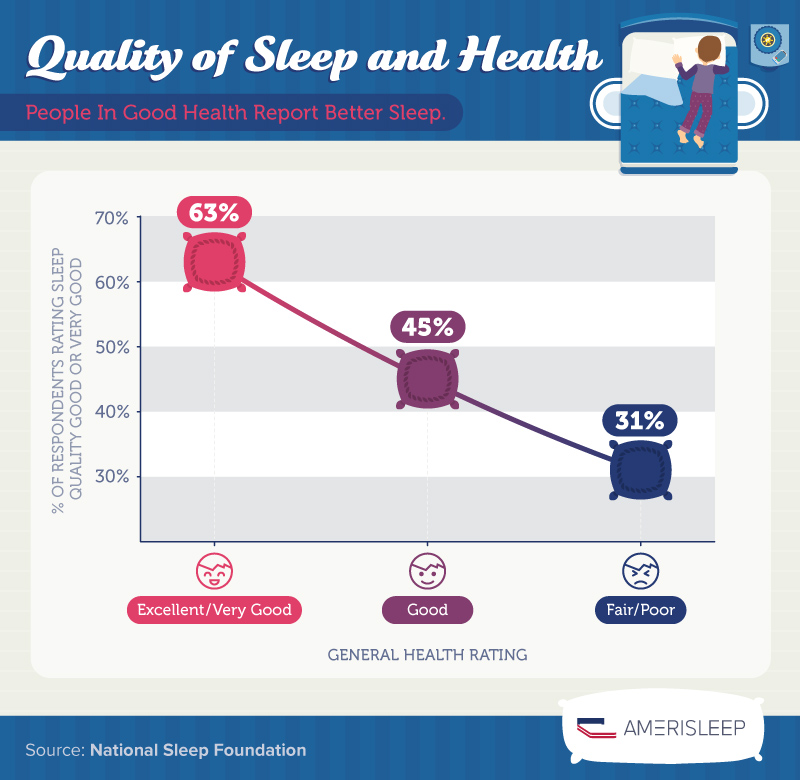
According to NSF research, “Those who rate their general health more highly were approximately twice as likely to rate their sleep quality as very good or excellent.” Conversely, those who live with chronic pain ranked the quality of their sleep – and their lives (which were three times more likely to include “severe” or “very severe” stress) – much lower.
When asked if they’d experienced physical pain – either chronic or fleeting – in the last week, 57 percent of those surveyed said yes. And even fleeting pain led to worse sleep, a lower quality of life, and worse health.
Stress Hurts
The health community has long understood that stress causes significant health problems, Verified Source Mayo Clinic Ranked #1 hospital by U.S. News & World Report and one of the most trusted medical institutions in the world. The staff is committed to integrated patient care, education, and research. View source including headaches, muscle pain, chest pain, fatigue, stomach issues, anxiety, and depression. It’s also linked to over- or under-eating, substance abuse, and even angry outbursts.
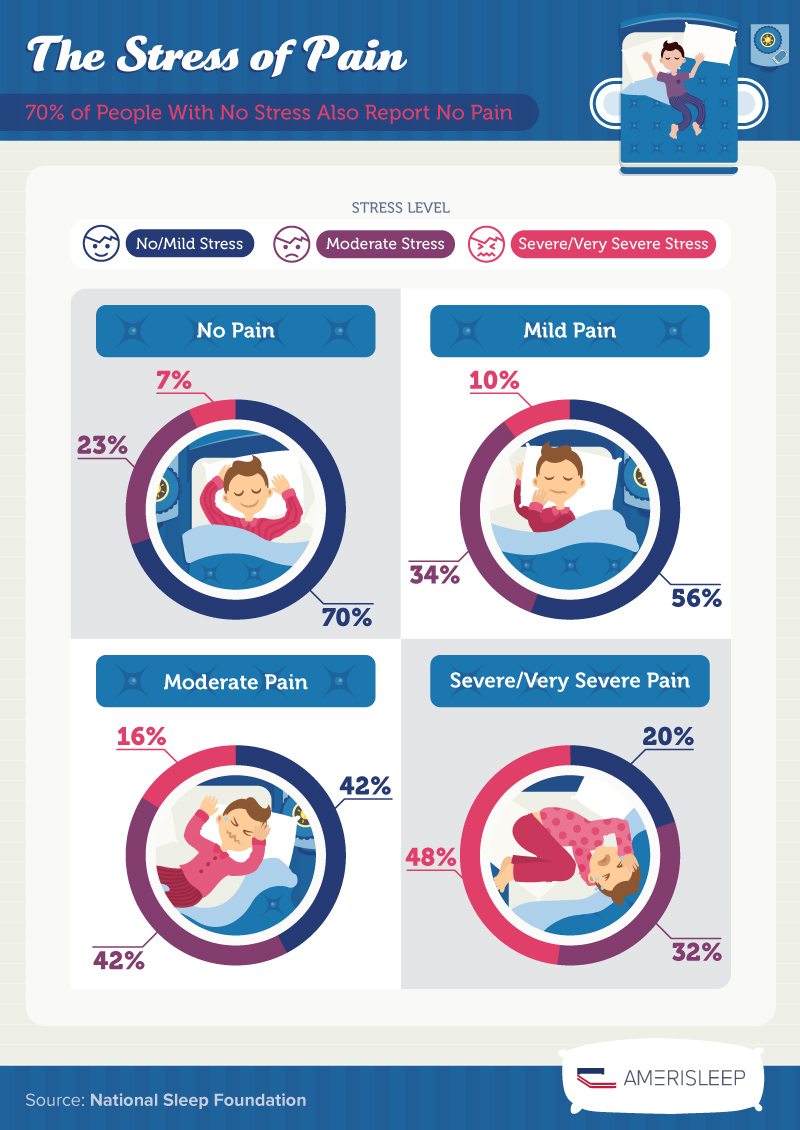
Per the data, pain is also strongly connected to stress. In fact, 70 percent of respondents who had no pain in the past week also reported low or no stress, while only 20 percent of those with severe pain reported no or low stress.
Pain and the Quality of Our Sleep
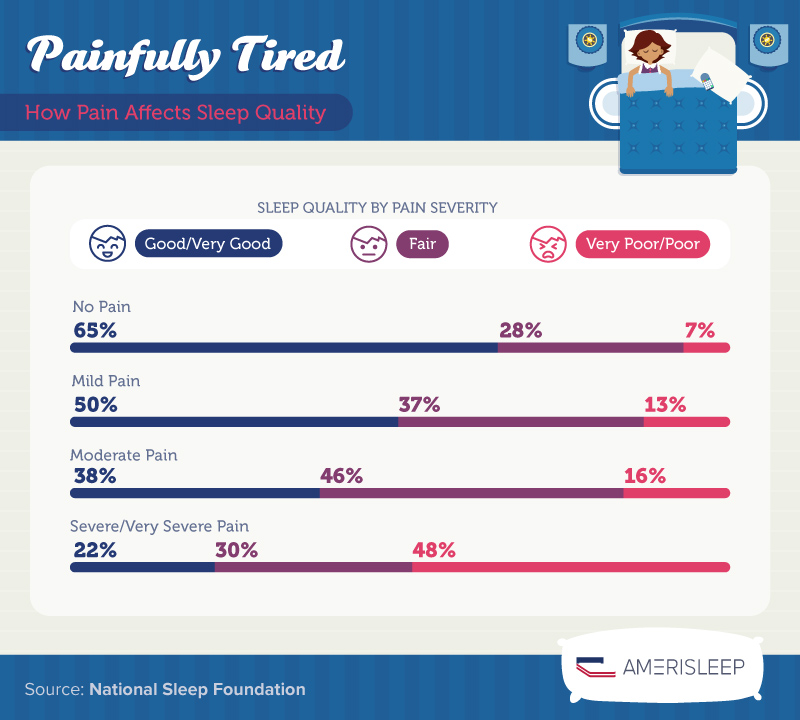
Unsurprisingly, sleep quality is also impacted by pain.
For those who reported no pain in the last week, 65 percent also reported good or very good sleep. Those in mild pain were 23 percent less likely to report good sleep, while only 38 percent of those in moderate pain reported getting good or very good sleep. Finally, for those experiencing severe or very severe pain, a meager 22 percent reported good sleep.
Our Sleep-Pain Credit Score
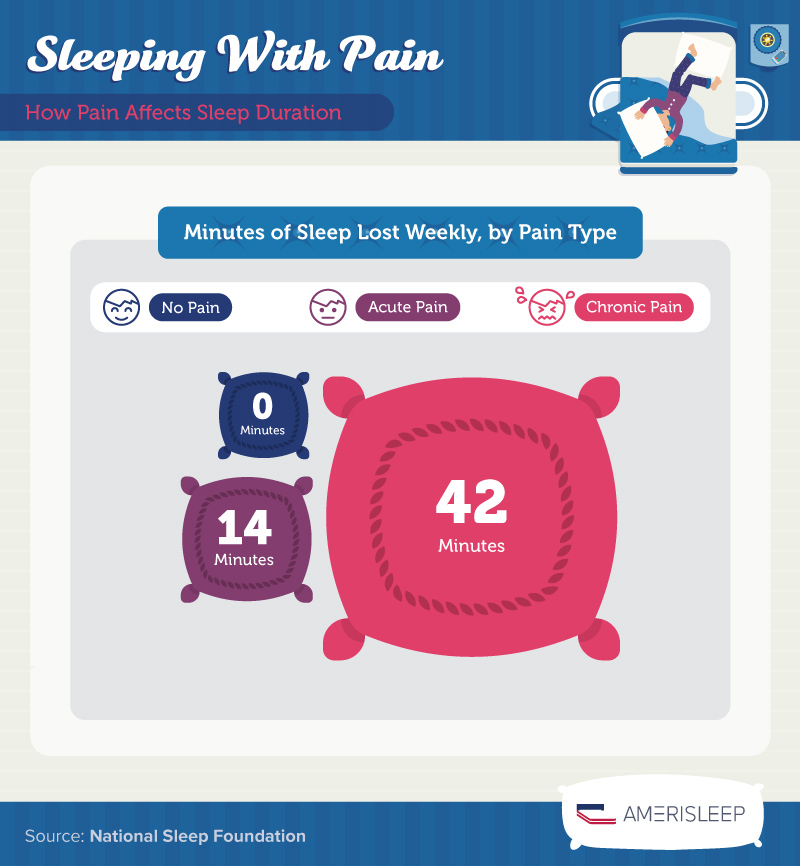
In combination with sleep quality, quantity also matters. When the NSF asked respondents to report on how much sleep they were getting each night, the results were telling. Those experiencing chronic pain lost 42 minutes and those who endure acute pain lost 14 minutes weekly compared to those with no pain.
The study also found that the greater the severity of pain, the larger the sleep debt – or the gap between how much people say they need and the amount they’re actually getting. Those reporting severe pain averaging the highest sleep debt (60 minutes). Even those with mild pain experienced a 15-minute sleep debt.
Despite the popular myth that you can train yourself to get by on less sleep, that 14- to 60-minute sleep debt can still be detrimental to your overall health, wellness, and quality of life.
Sleep Quality, Pain, and the Quality of Our Lives
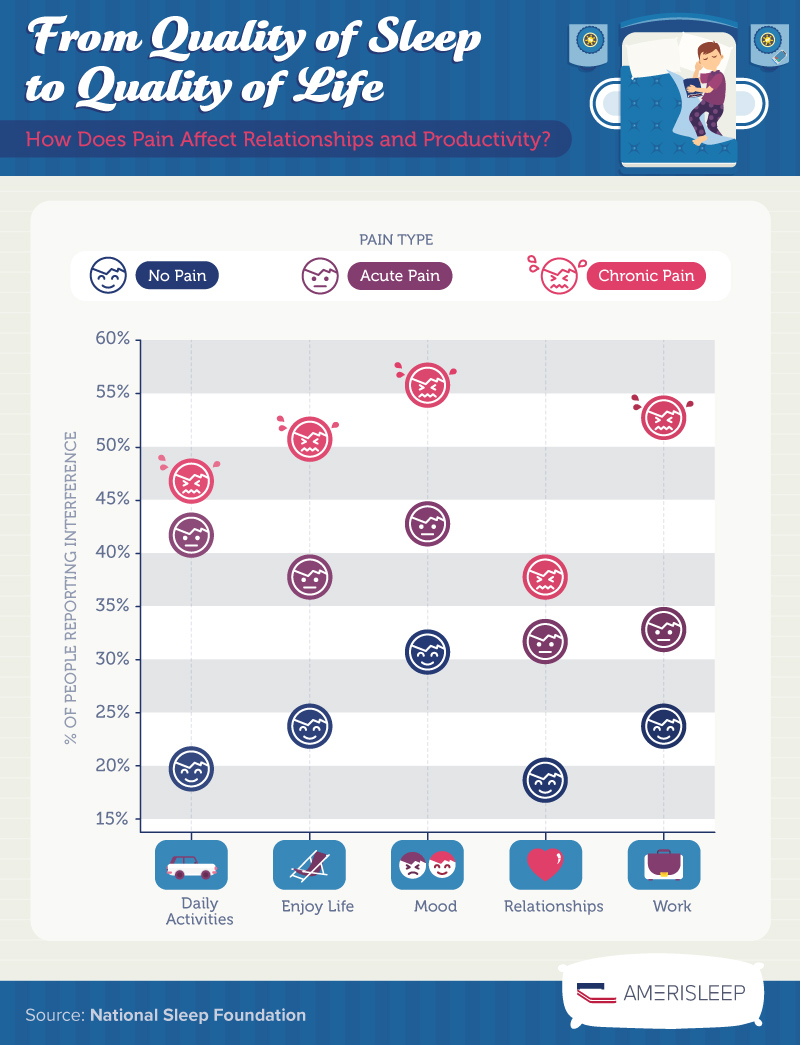
When asked about their mood, daily activities, enjoyment of life, relationships, and work, those with no pain reported that their sleep had less difficulty in their lives. For those with chronic pain, the outcome was the opposite: 37 to 55 percent reported that their pain led to difficulty sleeping, which impacted their day-to-day activities, enjoyment, relationships, mood, and work.
Research suggests that this is a cyclical problem. Our health is impacted by our sleep, and our sleep is impacted by our health. Brain, nervous system, cardiovascular, metabolic, and immune disorders all increase our risk of sleep deprivation. Verified Source American Psychological Association (APA) Collaborative organization for psychologists across the country. View source Mood disturbances, like anxiety, can further impair sleep, Verified Source Harvard Health Blog run by Harvard Medical School offering in-depth guides to better health and articles on medical breakthroughs. View source as can relationship difficulties.
Sleep and the Workweek
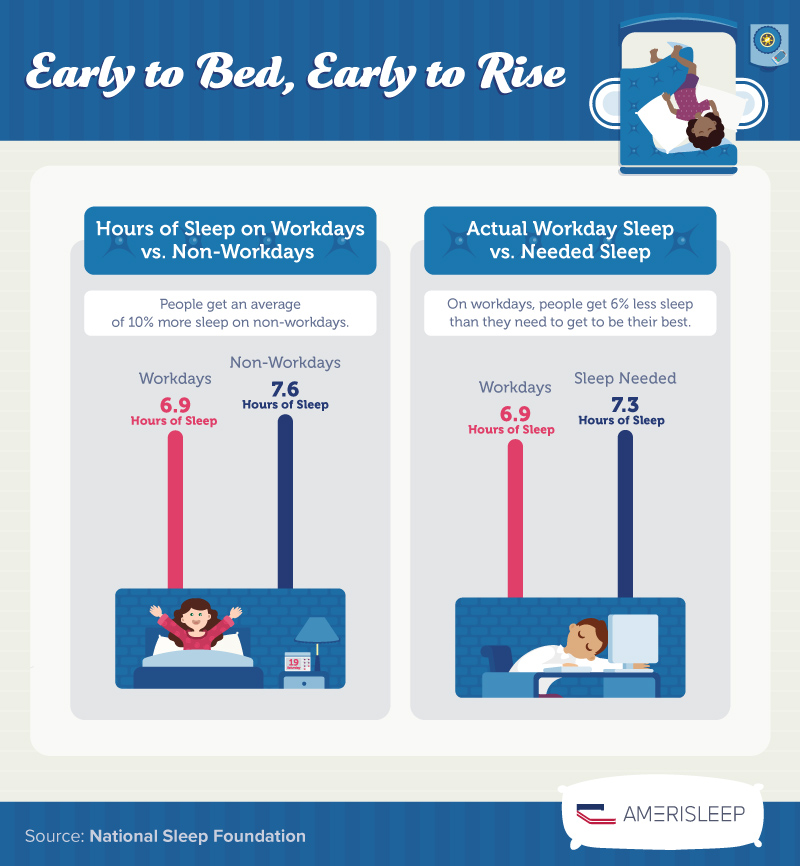
While pain has a major impact on our sleep, other factors – including our work schedules – can pose a significant risk to our sleep schedules. Research shows that people get an average of 10 percent less sleep on workdays, which is over 5 percent less sleep than we need for peak productivity and creativity.
What’s Keeping Us Awake?
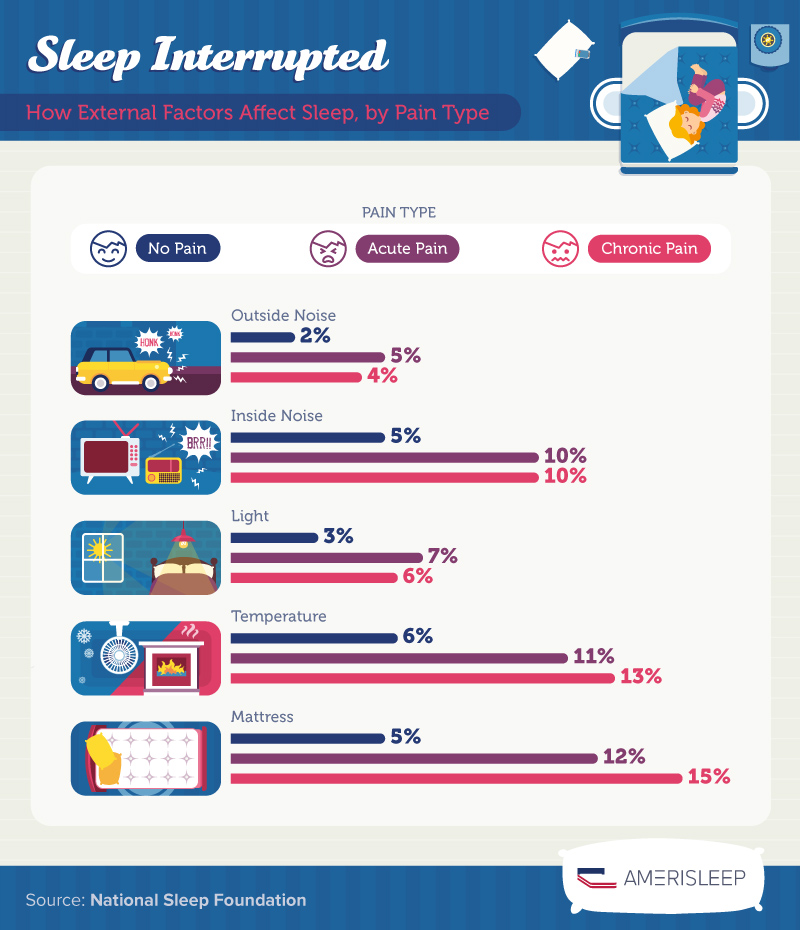
So what other specific factors can affect overall sleep quality? Those with chronic pain indicate that temperature and their mattress most significantly impact their sleep. And even those without pain say the temperature and their mattress are among the top three things that make it difficult to sleep.
Conclusion
It’s research like this that reminds us why we at Amerisleep do what we do – make better, more comfortable mattresses that promote good sleep and, by extension, good health. If you’re sleep deprived – especially if it’s due to pain – a good mattress can help you climb out of your sleep debt and improve your overall health, mood, relationships, work, and enjoyment of life.
Fair Use
Rest easy knowing that we grant permission for you to share the images found here in your publication. Just don’t sleep through the alarm: We request that you link back to this page to give the authors proper credit.
About the author
McKenzie Hyde is a Certified Sleep Science Coach and a full-time writer specializing in sleep health and the mattress industry. With a Master of Arts degree in literature and writing from Utah State University, McKenzie combines her passion for writing with her in-depth knowledge of sleep science. Her articles cover a wide range of topics, including best sleep practices for students, the consequences of sleep deprivation, and choosing the right mattress for back pain relief. McKenzie's dedication to delivering accurate and informative content makes her a valuable contributor to the field of sleep health.
View all posts