For many years, hospitals have relied on adjustable beds to help sleepers find a healthier, more comfortable sleep position. Elevating the head and legs during sleep provides relief from many different conditions, including snoring, sleep apnea, Verified Source National Library of Medicine (NIH) World’s largest medical library, making biomedical data and information more accessible. View source acid reflux or GERD (gastroesophageal reflux disease), poor circulation, and lower back pain.
However, you don’t need a hospital bed to experience the benefits of head and leg articulation. A wedge pillow can be used to achieve a similar effect. Throughout this article, we explain how to use a wedge pillow to improve sleep quality.
Say Goodnight To Neck Pain With A Better Pillow

What is a Wedge Pillow?
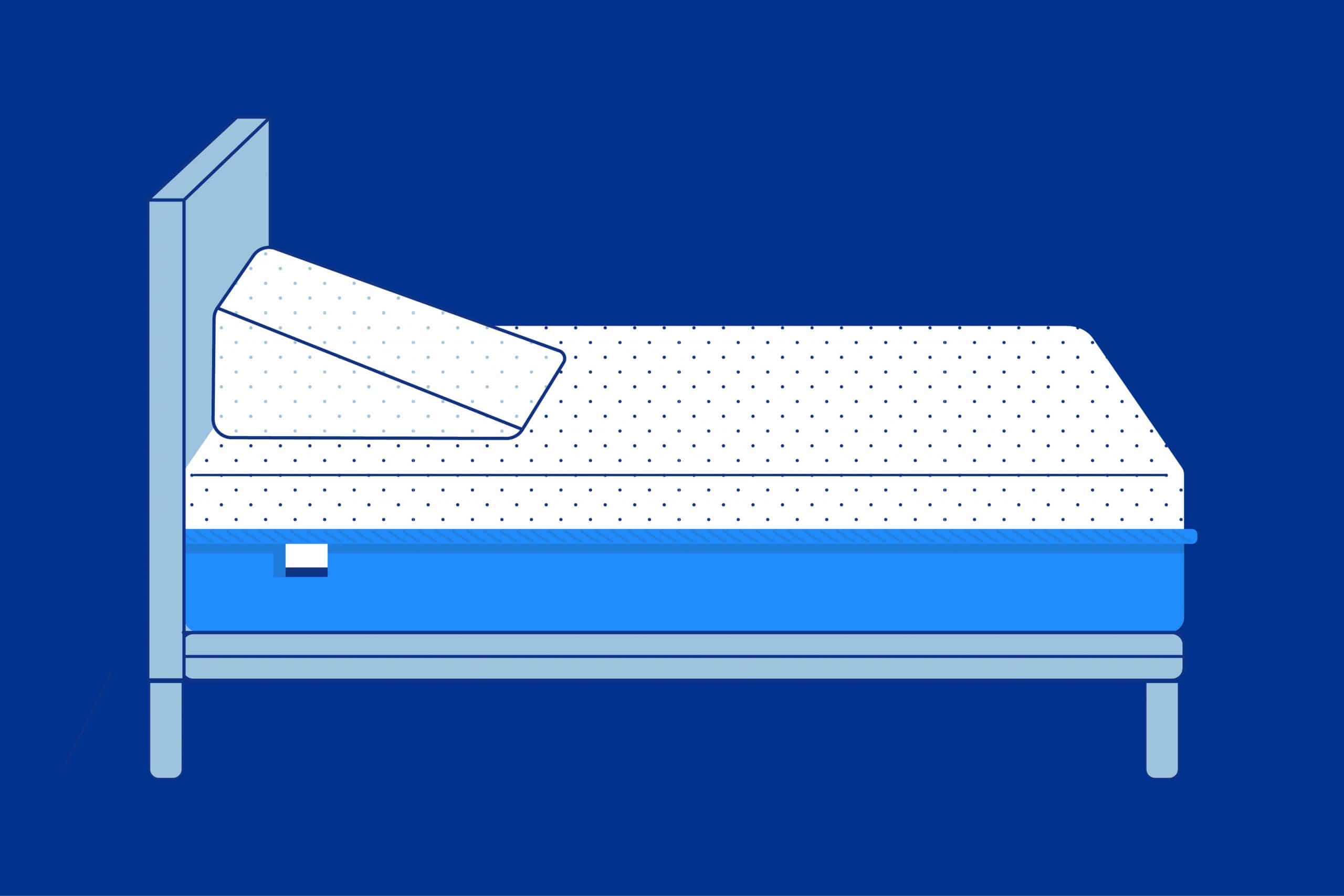
A wedge pillow is a triangular-shaped orthopedic pillow with a tapered incline. As its name suggests, the design looks similar to a wedge of cheese.
These pillows can lift the upper body or legs between a 30 and 45-degree angle, or by about 6 to 12 inches. While the height of the incline may vary, most wedge pillows measure between 20 and 25 inches wide and 20 to 25 inches long. See also our guide to bed pillow sizes.
How to Use a Wedge Pillow
Below, we outline the best ways to use a wedge pillow for better sleep and to make mattresses for sitting up in bed more comfortable.
Upright Recline
If you enjoy reading or journaling in bed, you can place the wide end of a wedge pillow flat on the mattress. The flat side should then rest against the wall or headboard. With the pillow in this position, you can recline in an upright position without putting pressure on the neck or upper back.
Although experts suggest only sitting in bed when you intend to sleep, sometimes it can’t be avoided. With a wedge pillow, you won’t have to rest against an uncomfortable wall or headboard, and you will stay properly supported.
The best wedge pillows for sitting up in bed have a higher incline between 43 and 45 degrees.
Elevated Back Sleeping
Snoring and symptoms of sleep apnea can often become worse when resting on the back. The ring of muscles and soft tissue in the back of the throat become soft and often collapse during sleep. When sleepers exhale, a loud vibrating noise can occur as air passes through this tissue. For those with sleep apnea, the relaxed tissue in the throat can put pressure on the trachea and cause breathing to start and stop.
A wedge pillow can be placed beneath the upper body, with the thinnest part of the incline resting near the middle of the back. The incline will open up the airway to make breathing easier and ensure the tongue falls forward rather than backward to prevent obstruction. For those with allergies, a wedge pillow can also help the sinuses drain more easily, preventing congestion during sleep.
For those who frequently experience acid reflux Verified Source National Library of Medicine (NIH) World’s largest medical library, making biomedical data and information more accessible. View source or GERD, stomach acid can flow back up into the esophagus when lying down. This can cause a painful burning sensation, also known as heartburn, that makes it difficult to sleep. A wedge pillow can relieve symptoms of GERD. With a slight slope, gravity ensures the stomach acid flows down and does not enter the throat and cause discomfort.

When shopping for a wedge pillow for snoring, sleep apnea, or acid reflux, we suggest one with an incline between 35 and 45 degrees, about 8 to 10 inches above the mattress’s surface.
Elevated Side Sleeping
If you are a side sleeper, a wedge pillow can also provide relief from sleep apnea and acid reflux. Plus, a wedge pillow will ensure the spine remains neutral when side sleeping, preventing tension build-up in the back muscles. A memory foam wedge pillow with a medium to medium-firm feel will also cradle the shoulders and prevent pressure points.
As with back sleeping, we suggest side sleepers use a wedge pillow with an incline between 35 and 45 degrees. Sleepers can choose where their head rests by sitting up higher or lower on the pillow. However, the head, neck, and shoulders should remain aligned to reduce tension.
Leg Articulation When Back Sleeping
Back sleepers can place a wedge pillow under the knees to relieve pressure on the lower back and help muscles fully relax. Lifting the legs during sleep increases blood circulation, preventing the legs and feet from swelling and varicose veins from forming. For those with heart disease and other serious medical issues, improved circulation also promotes healing and recovery.
Lap Placement
If you find yourself needing to work in bed, a wedge pillow can be used as a mini desk. The thinnest part of the taper should rest on the lap and the widest part near the knees to achieve this position. A laptop or tablet can then rest on the pillow for comfortable access and prevent wrist strain.
Frequently Asked Questions
How high should you raise your bed for GERD?
Those with GERD should use a wedge pillow or an adjustable bed with a 35 to 45-degree angle. This elevation ensures stomach acid stays down and does not come back up into the throat. A wedge pillow with a lower incline may not provide the same relief as those with a medium to high incline.
Does sleeping on an incline stop snoring?
Sleeping on an incline keeps the tongue from falling backward and obstructing the airways during sleep. As sleepers inhale and exhale, air does not have to pass through a narrow passageway of soft tissue. This makes breathing easier and prevents snoring.
Do you use a regular pillow with a wedge pillow?
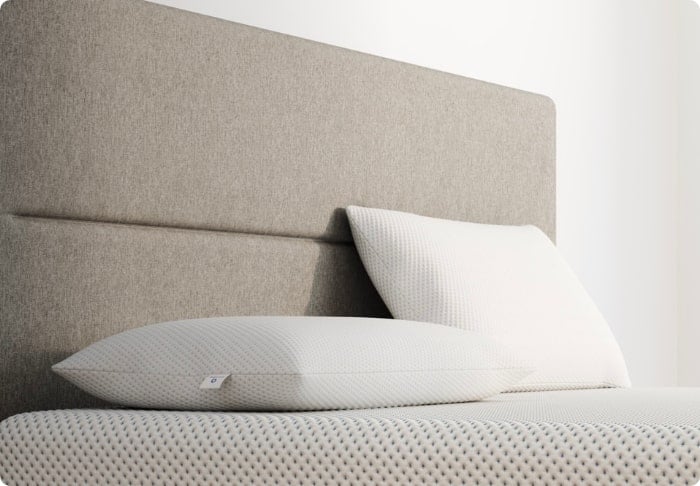
A wedge pillow should be used on its own and not paired with a regular pillow. If an additional pillow is placed either on top of or below the wedge pillow, it may become unstable and cause sleepers to roll off. Using two pillows like this may also push the sleeper’s head and neck too far forward.
Are thick pillows bad for your neck?
If a pillow is too thick, it could force the head upward and cause the neck to bend. This position causes the muscles in the neck and back to clench, leading to tension and pain.
The best pillows are those made with a soft, conforming material, like memory foam, with a medium loft. These pillows will ensure the head and neck stay in alignment with the shoulders, so the spine remains neutral.
Is sleeping on your stomach bad?
When resting on the stomach, the spine is forced to bow upward, putting pressure on the back and neck and causing the muscles to clench. Over time, this leads to chronic pain in these areas.
Therefore, we suggest avoiding stomach sleeping whenever possible. However, if you find it difficult to rest in any other possible, be sure to rest on a stable and even surface. Typically, the best mattresses for stomach sleeping are medium-firm to firm.
Are You Ready to Start Using a Wedge Pillow?
Elevating the head and legs during sleep comes with several benefits. If you experience sleep apnea, snoring, acid reflux, lower back pain, or poor circulation, a wedge pillow is a great way to improve your sleeping posture and get better quality sleep.
Plus, wedge pillows are widely available, durable, and budget-friendly. While adjustable beds typically cost between $1,000 and $1,500, a high-quality wedge pillow will only cost between $50 and $100.
About the author
Geoff McKinnen is a writer focusing mainly on the healthcare industry and has written articles on everything from foods to help you lose weight to the connection between Alzheimer’s and sleep. Geoff’s passionate about helping readers improve their well-being to lead happier lives. Outside of work, Geoff enjoys cycling and hiking and believes that by leading a healthy lifestyle, he can help others do the same.
View all posts