

Fibromyalgia is a fairly common condition that results in widespread muscle and joint pain. Although symptoms typically vary from person to person, many people with fibromyalgia experience insomnia and poor quality sleep.
The inability to fall asleep quickly and sleep soundly is primarily due to musculoskeletal pain. When any part of the body is inflamed, the muscles often clench and tighten to compensate for the discomfort. However, awkward and stiff sleep positions can make it difficult to fully relax and fall into a deep sleep.
Best Mattresses At
Better Prices

Save Hundreds On Sleep
For those with fibromyalgia, quality sleep can be even more elusive on a mattress that is not suitable for your body type and sleep position. To help ease nighttime pain so you can get the best sleep possible, we outline some of the best mattresses for fibromyalgia. We also explain how to select a bed tailored to your needs.
Best Mattresses for Fibromyalgia
Quick Guide: A 30-Second Summary
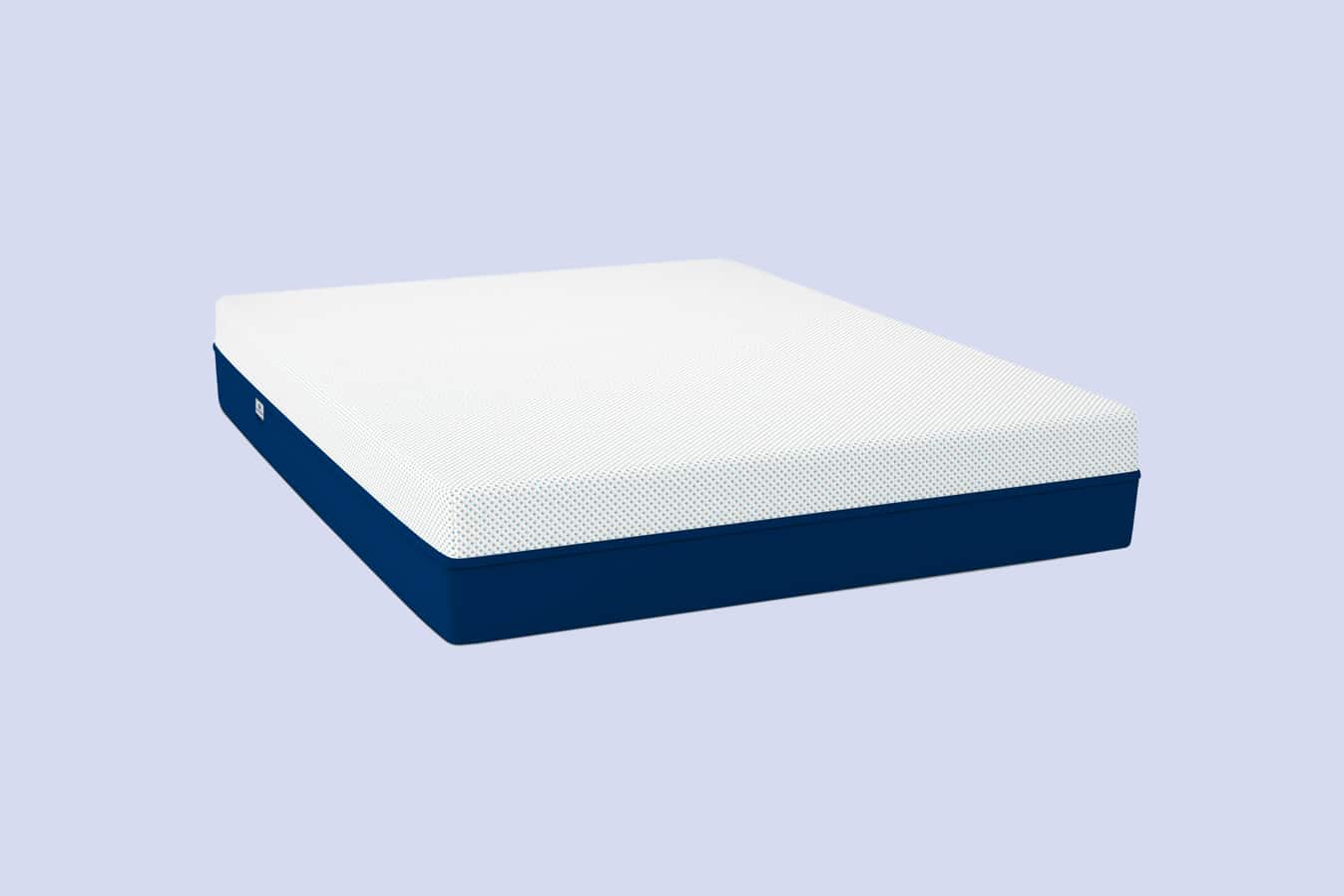
| Best Mattress for Back Sleepers with Fibromyalgia | Amerisleep AS2 |
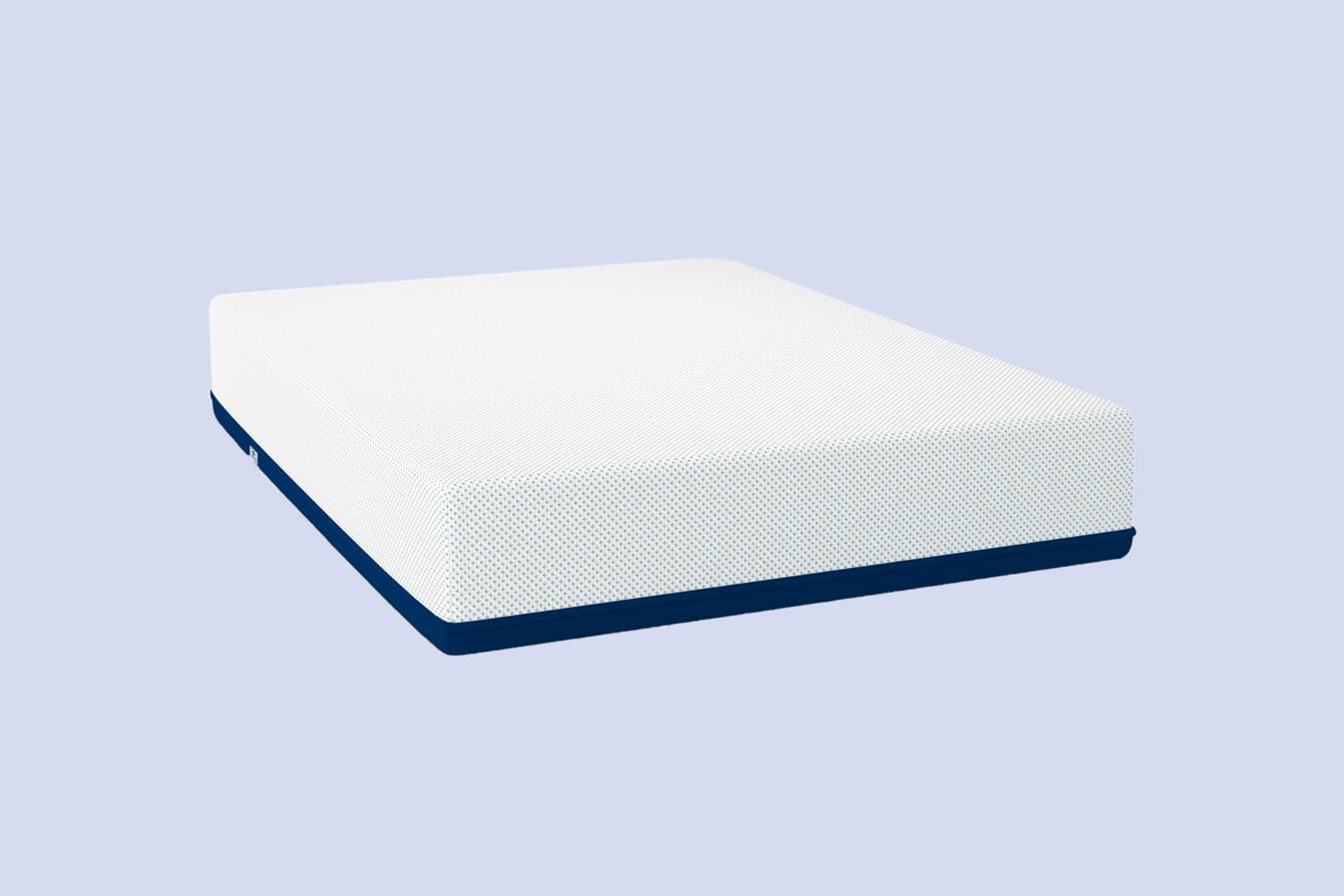
| Best Mattress for Side Sleepers with Fibromyalgia | Amerisleep AS5 Hybrid |
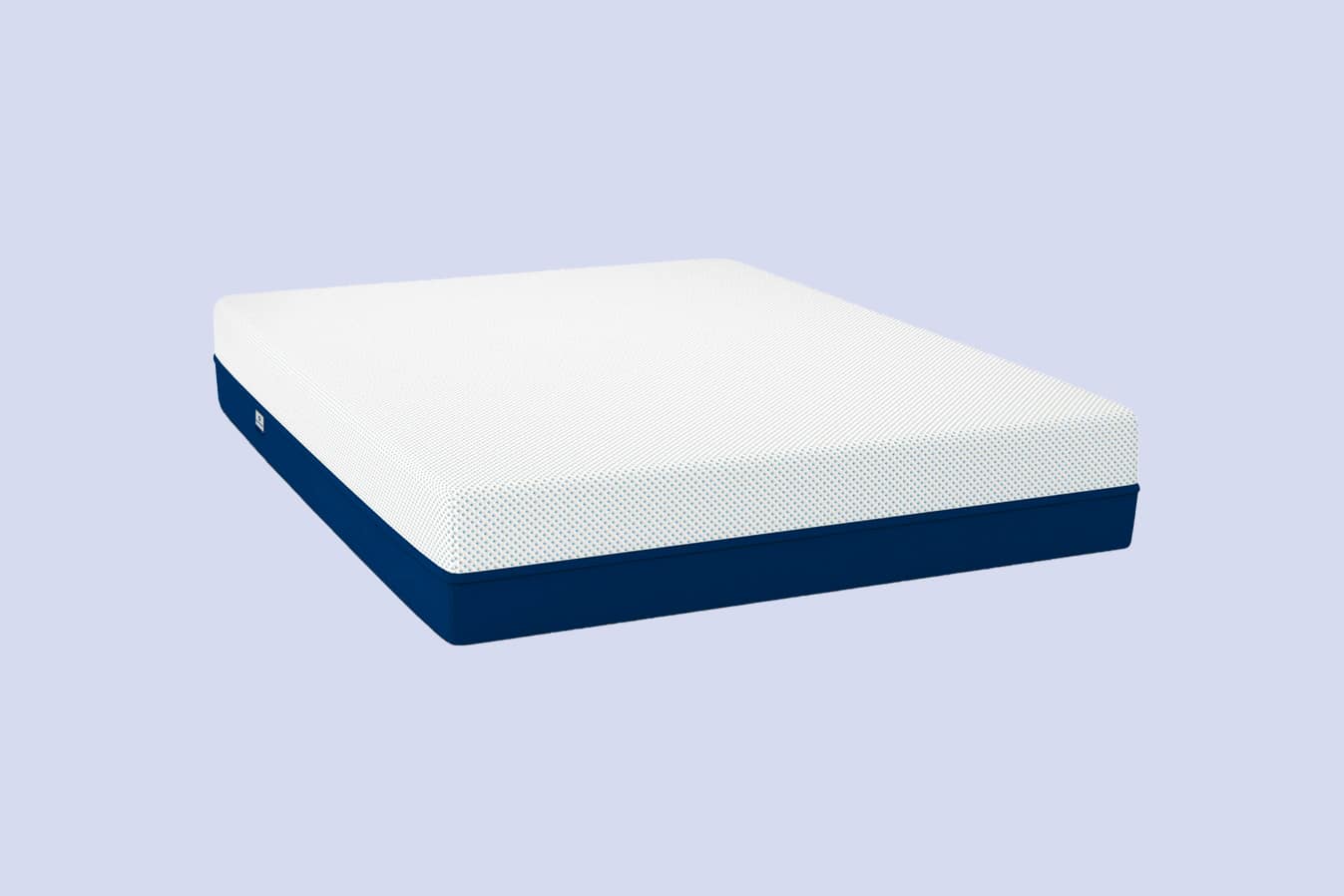
| Best Mattress for Combination Sleepers with Fibromyalgia | Amerisleep AS3 |
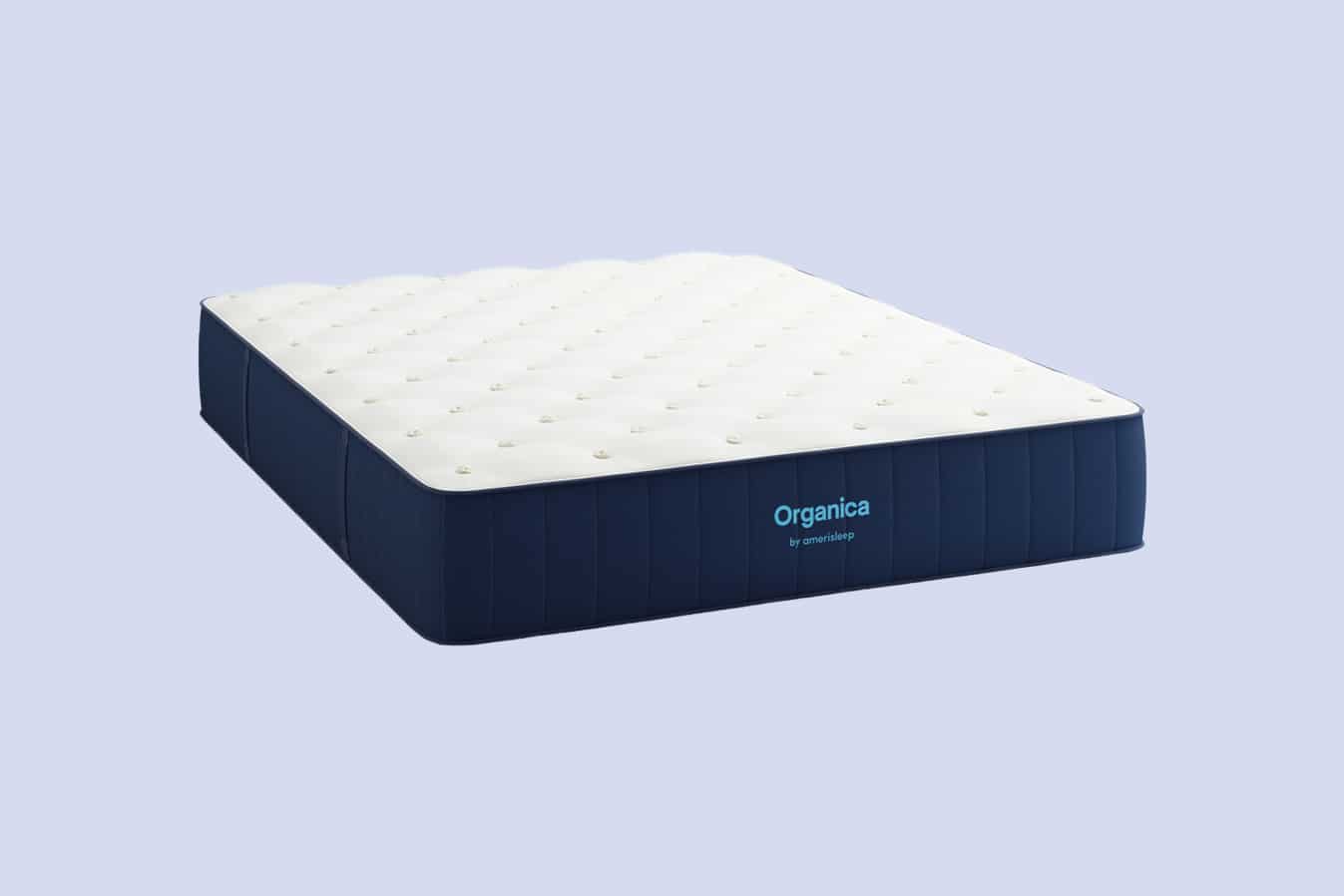
| Best Mattress for Plus-Size Sleepers with Fibromyalgia | Amerisleep Organica |
-
Price Range
$949 to $1998
-
Mattress Type
Memory Foam
-
Firmness
7 out of 10 (Medium-Firm)
-
Availability
All sizes
-
Warranty
20 Years
-
Thickness
12 Inches
Our medium-firm AS2 mattress is an excellent way to soothe a back sleeper’s pain. The feel promotes an ideal spine alignment while relieving pressure points across the body.
- Plant-based foam reduces pressure and eases pain
- Five zones provide support as needed across the body
- Mattress structure stands strong with Bio-Core®
- Back sleepers with fibromyalgia
- Chronic pain sufferers
- Some stomach sleepers with fibromyalgia
Our AS2 is a medium-firm mattress, perfect for back sleepers and those with back pain. The firmness of the AS2 keeps the hips and shoulders lifted, so the spine can remain neutral, and the muscles can relax and heal during sleep. The combination of comfort and support found on the AS2 can help those with fibromyalgia fall asleep quickly and rest soundly.
With a 2-inch Bio-Pur® comfort layer to cushion and cradle the body, sleepers experience fewer pressure points and can slip into a deeper, more restful sleep. Since our Bio-Pur® is made with plant-based oils, rather than 100 percent petroleum-based oils, it is more responsive than traditional memory foam. So, even if you change positions throughout the night, Bio-Pur® will quickly adapt to your body.
Bio-Pur® foam is also more breathable than traditional mattress foams, so body heat doesn’t become trapped in the bed and cause you to overheat. Air channels on the soft cover also facilitate cooling to prevent nighttime disruptions.
To keep the spine aligned and prevent excess sinking, we include 3 inches of our Affinity foam with HIVE® technology. This technology comprises hexagonal shapes embedded in the foam that keep body weight evenly distributed and ensure the joints are cushioned.
The foundation of the AS2 consists of our Bio-Core® support foam—a stabilizing layer that improves motion isolation and guards against sagging.
At Amerisleep, all of our mattresses come with free shipping and a 100-night sleep trial. To guarantee the durability of your new mattress, we also include a generous 20-year warranty.
-
Price Range
$2049 to $4198
-
Mattress Type
Hybrid
-
Firmness
3 out of 10 (Soft)
-
Availability
All sizes
-
Warranty
20 Years
-
Thickness
14 Inches
Our softest model is the AS5 and it is available as a memory foam or hybrid mattress. For many side sleepers with fibromyalgia the way the mattress hugs their bodies will help them sleep better.
- Plant-based memory foam eases pressure points
- Middle layer of Active Flex for extra adaptability
- Coils retract with movement and isolate motion
- Side sleepers with fibromyalgia
- Petite sleepers with fibromyalgia
- Hot sleepers with fibromyalgia
If you are a side sleeper with fibromyalgia or experience joint pain and stiffness, you may need a softer mattress. The AS5 Hybrid has a plush 3-inch Bio-Pur® comfort layer that instantly cushions the joints and eases muscle tension.
Although the Bio-Pur® foam in the AS5 Hybrid offers deep contouring, it does so without causing you to feel hot and uncomfortable. The use of plant-based oils makes our foam lighter and more breathable.
Since many soft beds can cause over sinking and spinal misalignment, we include a layer of our Active Flex response foam. This layer has a slight bounce to prevent the heaviest parts of the body, the hips, and shoulders, from sinking too far into the bed. With this buoyant foam, sleepers are less likely to experience misalignment and morning aches and pains.
Instead of a foam base, our hybrids have a base of pocketed spring coils. These coils are individually wrapped and move separately from one another, rather than as a unit. This structure creates less motion transfer and more accurate contouring. The lightweight fabric surrounding the coils also helps improve airflow.
However, if you would prefer a mattress with only foam layers, we also offer the AS5 as a pure memory foam mattress.
-
Price Range
$1149 to $2398
-
Mattress Type
Memory Foam
-
Firmness
5 to 6 out of 10 (Medium)
-
Availability
All sizes
-
Warranty
20 Years
-
Thickness
12 Inches
Our most popular mattress is the AS3, and it’s a common choice because it suits most sleeping styles. Whether you’re a side, back, or combination sleeper with fibromyalgia, the AS3 can provide a balanced mix of pressure relief and support.
- Conforming and pressure-relieving Bio-Pur® foam
- HIVE® technology establishes multiple support zones
- Resilient Bio-Core® foam for spine support
- Combination sleepers
- Side or back sleepers
- Couples
For combination sleepers with fibromyalgia, we suggest our AS3 Mattress. This bed has a medium firmness that offers support and pressure relief no matter which sleep position you prefer. In fact, this is our most popular model for couples with different body types and sleep styles.
The 3-inch Bio-Pur® top layer on the AS3 immediately responds to your body weight to keep you cradled and protected from pressure points. With close contouring, there is very little space between your muscles and the mattress, so each area of the body is supported.
The AS3 also has a transition layer of our Affinity foam with HIVE® technology. The hexagonal cutouts along the top of this foam layer are softer and more conforming near the hip and shoulder joints. However, near the lumbar spine, they are firmer and more supportive. This responsive foam provides spinal alignment and prevents the uncomfortable sensation of being “stuck” in the bed.
Seven inches of Bio-Core® sits in the base of the AS3. This foam is resistant to sagging and indentations, ensuring you remain supported throughout the night and experience fewer sleep disruptions.
-
Price Range
$1199 to $2698
-
Mattress Type
Latex Hybrid
-
Firmness
5 to 6 out of 10 (Medium)
-
Availability
All sizes
-
Warranty
20 Years
-
Thickness
13 Inches
While we strive to be sustainable and eco-friendly with all of our mattresses, the one that contains the highest amount of natural materials is the Amerisleep Organica. It has a supportive medium feel suitable for most positions and body types.
- Cotton cover feels soft and moves heat away
- Wool top layer promotes a cool, dry surface
- Conforming Talalay latex eases pressure and pain
- Plus-size individuals with fibromyalgia
- Side and back sleepers with fibromyalgia
- People allergic or sensitive to synthetic materials
Fibromyalgia sufferers who weigh more than 230 pounds may prefer our natural latex mattress, Organica. The latex foam comfort layer gives this bed a flexible, elastic quality that keeps heavier sleepers lifted and aligned. The medium firmness of the Organica also makes it ideal for couples and combination sleepers. Lastly, the bed is also a good choice for people who are sensitive to synthetic materials
The Talalay latex comfort layer is certified by eco-Institut, OEKO-Tex® Standard 100, and the Rainforest Alliance to be sustainably harvested and free of toxic chemicals, making it safe for those with allergies and skin sensitivities. Our natural latex foam also has minimal off-gassing, which can help fibromyalgia sufferers who often experience headaches due to odor sensitivity.
The Organica cover features a GOTS (Global Organic Textile Standard) certified organic cotton with natural breathability and a soft, soothing feel. Just beneath the bed’s surface, we include a layer of New Zealand Joma Wool® to improve heat retention. Since wool also acts as a natural fire barrier, we don’t have to rely on chemical flame retardants to pass flammability tests.
The Organica is a hybrid mattress, so it has a layer of our pocked spring coils for support and even weight distribution. This stable base ensures the bed will keep you resting comfortably for many years.
How to Choose a Mattress for Fibromyalgia
Although symptoms of fibromyalgia Verified Source Centers for Disease Control and Prevention (CDC) The United States’ health protection agency that defends against dangers to health and safety. View source can vary, the most common ones include joint pain and stiffness throughout the body, fatigue, sleep disorders, depression, anxiety, headaches, and temperature sensitivity.
“Sleep disturbance is common in patients with fibromyalgia, affecting >90% of patients,” Dr. Nayantara Santhi noted. “While traditionally, sleep disturbance has been considered a consequence of fibromyalgia, emerging evidence suggests that sleep dysfunction can cause fibromyalgia. This may be because sleep deprivation impairs pain-inhibition pathways that are important in controlling and coping with pain.”
Experiencing even one of these symptoms can make it difficult to get quality sleep. However, a mattress that is suited to your body type, sleep habits, and your particular fibromyalgia symptoms can help you get the rest you need.
Mattress Firmness
The firmness of a mattress affects the way it cushions and supports the body. In most cases, you can determine the perfect firmness for you by your body type and preferred sleep position. It is essential for those living with fibromyalgia pain to rest on a mattress suited to their needs.
Body Type
- Plus-Size Sleepers: Sleepers who weigh more than 230 pounds may sink too far into a soft mattress, causing the spine to curve unnaturally and cause tension build-up. Therefore, the best beds for plus-size sleepers are medium to medium-firm to prevent excess sinkage.
- Petite Sleepers: Sleepers who weigh less than 130 pounds often sink very little when sleeping on a mattress. If the bed is too firm, painful sore points can form near the hips and shoulders. For this reason, we recommend that petite sleepers rest on a soft to medium mattress.
Sleep Position
- Side Sleepers: When resting on your side, tension often builds up along the sides of the body. On a firm bed, this can lead to pressure points near the hips and shoulders. So, the best mattresses for side sleepers are often soft to medium.
- Back Sleepers: When laying on your back, the torso tends to sink. On a bed that is too soft, this can cause spinal misalignment and muscle tension. In most cases, the right mattress for a back sleeper is medium to medium-firm. These beds provide extra support to the lumbar spine to reduce lower back pain.
- Combination Sleepers: Combination sleepers need a balance of compression and firmness to support any sleep position. Therefore, the best beds for combination sleepers are typically medium.
- Stomach Sleepers: Stomach sleeping often leads to a build-up of pressure and tension in the back and neck. Therefore, we recommend avoiding this position if you can. However, if you can’t, mattresses for stomach sleeping should be firm to medium-firm to keep the hips from sinking too far into the bed and forcing the spine to curve unnaturally.
Mattress Types
There are several types of mattresses on the market—each with its own features and overall comfort level. For those with fibromyalgia, we recommend either a memory foam, latex foam, or hybrid mattress.
Although innerspring mattresses are common and still fairly popular, we recommend avoiding this mattress type if you have chronic pain associated with fibromyalgia. The stiff coil springs in an innerspring bed can often push up into the comfort layer, causing pressure points and making muscle and joint pain worse.
A mattress with a 2 to 3-inch comfort layer of foam will provide the contouring and pressure relief those with fibromyalgia need to get quality sleep.
Memory Foam
Memory foam mattresses consist of a memory foam comfort layer and a stable foam layer in the bed’s base. Memory foam is ideal for those with pain because it contours closely to the body, ensuring each curve is cushioned and supported so the muscle can completely relax.
Memory foam beds are available in any firmness, including ultra-soft and firm. Therefore, it is easy to find a memory foam mattress with a customized feel perfect for your body type and sleep style. Some people find that viscous mattresses are difficult to get on and off of, though this can be avoided by choosing a responsive memory foam mattress.
The main drawback of memory foam is that it often retains body heat, which can cause the bed to heat up throughout the night. Since those with fibromyalgia can be sensitive to temperature, we suggest a memory foam bed made with plant-based foam, such as Bio-Pur® foam or gel-infused memory foam. Cooling gel infusions can draw body heat away from the sleepers and make these beds one of the best options for hot sleepers.
There is significant variation between the types and brands of memory foam mattresses though, so fibromyalgia and memory foam can be a good match as long as you know what to look for to avoid issues.
Latex
Latex foam is naturally buoyant and springy. Therefore, latex mattresses tend to have a slight bounce, which can reduce excess sinking and alignment issues. Like memory foam, latex is also responsive and conforms to the body to relieve tension and pressure.
Although latex foam can be manufactured in several different ways, most latex foam varieties are eco-friendly and produced with sustainable harvesting methods. This foam can also be made in different firmness levels. However, it is most commonly used in medium to medium-firm beds.
Hybrid
Hybrid mattresses consist of a 2 to 3-inch comfort layer, typically made with memory or latex foam. However, instead of a foam base, hybrid beds have an innerspring base that keeps body weight evenly distributed and prevents motion transfer.
Unlike traditional innerspring beds, the coils used in a hybrid are often pocketed. This means they are wrapped in fabric and move independently to provide more accurate contouring and pressure relief.
Depending on the type of foam used in the top layer, hybrids can be made to feel soft or extra-firm. However, most hybrids have a slight bounce no matter their firmness level thanks to the coil base.
Frequently Asked Questions
What kind of mattress is best for joint pain?
In most cases, a soft to medium mattress is best for joint pain. It is crucial that those with joint pain experience contouring and pressure relief when resting on a mattress. A bed that is too firm could exaggerate joint pain.
In most cases, a mattress with a memory foam or latex foam comfort layer can provide the cushioning these sleepers need to relax and recover fully. However, the right mattress firmness for you will ultimately depend on your body type and sleep style.
How can I get deep sleep with fibromyalgia?
To experience deep sleep, despite your fibromyalgia pain, the best thing you can do is rest on a mattress suited to your body type and sleep style. The right mattress firmness will ensure your joints are cushioned and protected from sore spots, and your spine is kept in a healthy and neutral position. This combination will help your muscles relax and heal during sleep.
If your current mattress is not the right fit, you can change your bed’s firmness by adding a memory foam mattress topper. For a bed that is too soft, a topper on the firm side can add support. If the bed is too firm, a topper on the soft side will increase contouring and pressure relief.
It is also vital for people living with fibromyalgia to practice good sleep hygiene, such as maintaining a consistent sleep-wake cycle. This allows your internal clock to maintain consistent timing, making it easier to fall asleep at your natural time and feel more rested in the morning.
Can fibromyalgia be worse at night?
Symptoms of fibromyalgia may not necessarily get worse at night. However, the aches and pains associated with fibromyalgia may be more pronounced at the end of the day.
Some people living with fibromyalgia are also sensitive to temperature, making it difficult for them to get comfortable enough to fall asleep. Additionally, many people with fibromyalgia have sleep disorders, such as Restless Leg Syndrome, sleep apnea, and insomnia.
Therefore, finding the perfect bedding, mattress, and thermostat setting is essential for quality sleep. If you experience night sweats and overheating due to your fibromyalgia, you may prefer a cooling mattress. These beds come with features such as plant-based foam, gel memory foam, graphite and copper infusions, and cooling air channels that help dissipate body heat quickly.
It is also a good idea to keep your bedroom slightly cooler. Most experts agree the best temperature for sleep is between 60 and 67 degrees Fahrenheit.
Can fibromyalgia cause leg pain at night?
For those with fibromyalgia, frequently used muscles in the feet, legs, and hands can often be stiff and sore at the end of a long day. Muscle stiffness can make it difficult for you to relax enough to fall asleep. Therefore, resting on a comfortable yet supportive mattress and practicing relaxation techniques before bed can ease muscle tension, reduce stress, and induce sleep.
Does lack of sleep cause fibromyalgia?
Some National Institute of Health studies Verified Source National Library of Medicine (NIH) World’s largest medical library, making biomedical data and information more accessible. View source have shown that healthy adults who suffer from chronic sleep deprivation may experience symptoms of fibromyalgia. Therefore, medical experts note that trouble sleeping may be a symptom of fibromyalgia pain as well as a cause.
Conclusion
Fibromyalgia is a chronic condition where muscles, tendons and ligaments experience pain, fatigue and tender points that are sensitive to the slightest pressure. This condition can make getting comfortable in bed a serious challenge, and a lack of sleep only serves to further exacerbate daily fatigue and discomfort.
Although getting quality sleep with fibromyalgia pain can be difficult, there are things you can do to improve your rest. A high-quality mattress that is suited to your needs is essential. Because there can so much variation in mattresses and in personal symptoms, the best mattress for fibromyalgia is ultimately going to be the mattress that feels best for your body.
Make sure you select a mattress with your particular needs in mind and always make sure you have a long enough return period to ensure the bed suits your body on good days and bad days. Practicing good sleep hygiene, maintaining a healthy diet, and getting regular physical activity can also help you fall asleep quickly and rest soundly.
About the author
Geoff McKinnen is a writer focusing mainly on the healthcare industry and has written articles on everything from foods to help you lose weight to the connection between Alzheimer’s and sleep. Geoff’s passionate about helping readers improve their well-being to lead happier lives. Outside of work, Geoff enjoys cycling and hiking and believes that by leading a healthy lifestyle, he can help others do the same.
View all posts